
Choosing the right lawn for your home depends on several factors. Artificial grass comes in various pile heights, densities, and colors. To make the best choice, you must understand the material differences. The three general types of artificial grass—nylon, polyethylene, and polypropylene—each handle foot traffic and weather differently.
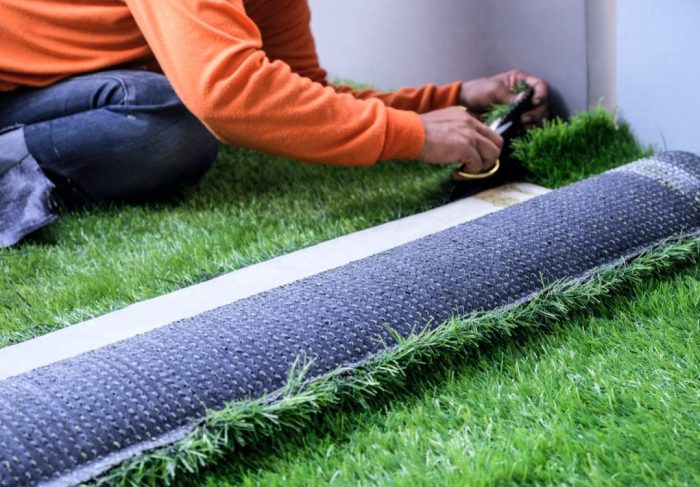
1. Nylon: The Durable Choice
Nylon is the strongest material used in synthetic turf. It is incredibly durable and withstands heavy foot traffic and high temperatures without losing its shape. Because the fibers are stiff, nylon is rarely used for soft residential lawns or play areas.
However, nylon is the perfect choice for putting greens. Its rigidity ensures a consistent ball roll and long-lasting performance. Many premium turf products also use nylon as a secondary “thatch” layer. This adds stability to softer grass blades, creating a product that is both strong and comfortable.
2. Polyethylene: The Realistic All-Rounder
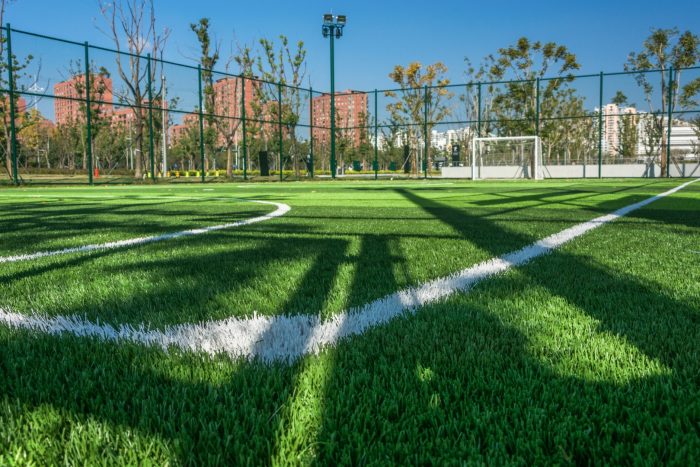
Most homeowners prefer types of artificial grass made from polyethylene. This material offers a bright green color and a soft, natural texture. It looks and feels more like real grass than any other synthetic option. Because it is so resilient and gentle, it is the standard for athletic fields, including soccer and football.
Polyethylene is also the best choice for pet turf applications. The fibers are non-porous, meaning they do not retain odors from pet waste. You can easily wash away messes with a garden hose. This material is very easy to maintain; you only need to brush it occasionally to keep the blades standing tall.
3. Polypropylene: The Indoor Decorative Option
Polypropylene is often the least expensive material available. However, it is not ideal for large outdoor applications. This type of grass is less durable and does not stand up well to heavy foot traffic. It also struggles with high temperatures, which can cause the fibers to lose their shape over time.
We recommend polypropylene for indoor putting greens or home decor. When used indoors, it stays protected from the elements and extreme temperature swings. It provides a great aesthetic for “green walls” or basement play zones where high durability isn’t a primary concern. To learn more about material safety, you can view the guidelines for synthetic materials from Health Canada.
Quick Q&A: Choosing Turf Materials
| Material Type | Best Use Case | Durability |
| Nylon | Golf greens and high-traffic commercial areas. | Highest |
| Polyethylene | Residential backyards, pet areas, and sports fields. | High |
| Polypropylene | Indoor decoration and light-duty indoor greens. | Low |
Which Type is Right for You?
Finding the right types of artificial grass for your specific needs is the key to a successful project. Whether you want a low-maintenance poolside oasis or a custom backyard practice green, the right material makes all the difference.
Are you ready to start your next landscaping project? Contact Synthetic Turf International Canada today to speak with an expert and find the perfect turf for your home!